The Jeep Cherokee, a vehicle synonymous with ruggedness, off-road prowess, and classic American design, has cemented its place in automotive history. Whether you own a vintage XJ (1984-2001) or a more recent KL (2014-present), the inevitable wear and tear, accidents, or even a desire for customization will likely lead you to explore the world of Jeep Cherokee replacement body parts. This comprehensive guide will navigate you through the options, considerations, and processes involved in restoring your Cherokee's aesthetics and structural integrity.
Why Replacement Body Parts Matter for Your Cherokee
Restoring Your Ride: A Comprehensive Guide to Jeep Cherokee Replacement Body Parts
Replacement body parts are crucial for maintaining your Jeep Cherokee's value, safety, and appearance. Damaged panels, rusted areas, or broken components not only detract from the vehicle's overall look but can also compromise its structural integrity, leading to further damage and potential safety hazards. Replacing these parts allows you to:
- Restore the Vehicle's Appearance: Fresh paint and straight panels dramatically improve your Cherokee's aesthetic appeal, making it a vehicle you can be proud to drive.
- Maintain Structural Integrity: Replacing rusted or damaged body panels ensures the vehicle's frame and body can withstand impacts and stresses, crucial for safety.
- Prevent Further Damage: Addressing minor issues promptly prevents them from escalating into more significant and costly repairs down the line.
- Increase Resale Value: A well-maintained Cherokee with intact body panels will command a higher resale price than one with significant cosmetic or structural damage.
- Personalize and Customize: Replacement parts offer opportunities to customize your Cherokee's appearance, from adding aftermarket bumpers to swapping out grilles for a unique look.
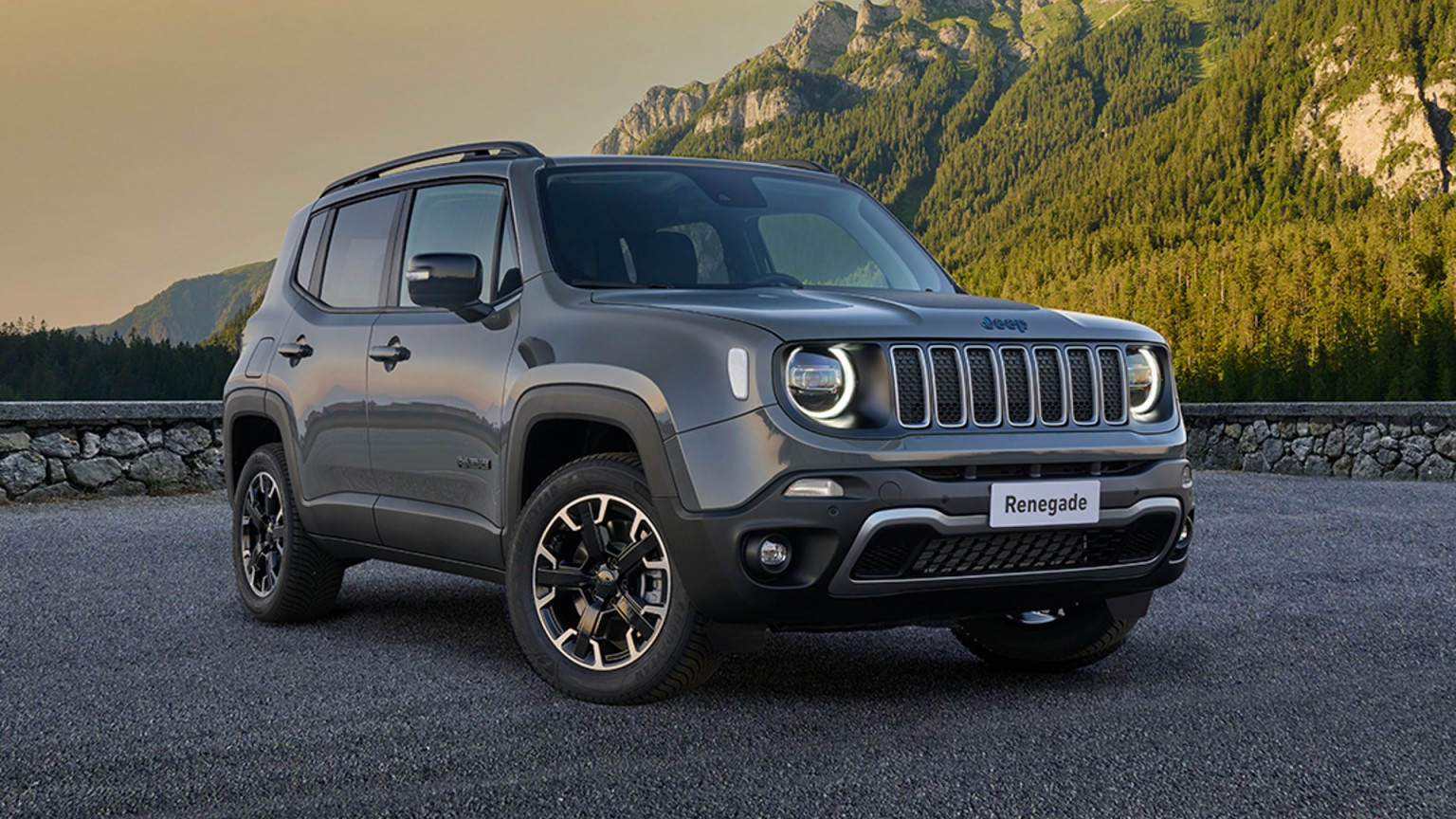
Navigating the World of Jeep Cherokee Body Parts: A Detailed Breakdown
Understanding the different types of replacement body parts available is essential for making informed decisions. Here's a breakdown of common components and considerations for each:
1. Fenders:
- Function: Protect the wheels and tires from debris and contribute to the vehicle's aerodynamics.
- Common Issues: Rust, dents from collisions, and damage from off-road excursions.
- Replacement Options: Steel, fiberglass, and composite materials. Steel is generally more durable, while fiberglass offers weight savings.
- Installation: Requires careful alignment and welding (for steel fenders) or bonding (for fiberglass).
2. Hoods:
- Function: Protect the engine compartment and provide access for maintenance.
- Common Issues: Dents from hail or collisions, rust around the edges, and damaged latches.
- Replacement Options: Steel, aluminum (for weight savings), and aftermarket designs with scoops or vents.
- Installation: Requires careful alignment to ensure proper closure and latching.
3. Doors:
- Function: Provide access to the vehicle's interior and contribute to structural integrity.
- Common Issues: Dents, rust, damaged hinges, and malfunctioning latches.
- Replacement Options: Complete door assemblies (including hinges, latches, and window regulators) or individual door shells.
- Installation: Requires careful alignment of hinges and latch mechanisms to ensure proper closure and sealing.
4. Bumpers:
- Function: Absorb impact in collisions and protect the vehicle's front and rear.
- Common Issues: Dents, scratches, and cracks from collisions or off-road obstacles.
- Replacement Options: Steel (for heavy-duty protection), plastic (for lightweight and aesthetic appeal), and aftermarket bumpers with integrated winches or lights.
- Installation: Typically bolted directly to the vehicle's frame. Aftermarket bumpers may require some modification.
5. Grilles:
- Function: Allow airflow to the radiator and protect the engine compartment from debris.
- Common Issues: Cracks, breaks, and faded paint.
- Replacement Options: Original equipment manufacturer (OEM) grilles, aftermarket grilles with different designs, and mesh inserts for a more aggressive look.
- Installation: Usually clipped or bolted into place.
6. Quarter Panels:
- Function: Form the sides of the vehicle behind the rear doors.
- Common Issues: Rust, dents, and damage from collisions.
- Replacement Options: Full quarter panels or patch panels for repairing localized damage.
- Installation: Requires welding and careful bodywork to blend seamlessly with the existing body.
7. Rocker Panels:
- Function: Provide structural support to the vehicle's body and protect the lower sides from damage.
- Common Issues: Rust, dents, and damage from off-road obstacles.
- Replacement Options: Steel rocker panels or rocker panel covers for cosmetic repair.
- Installation: Requires welding and careful bodywork to ensure proper fit and structural integrity.
8. Tailgates/Liftgates:
- Function: Provide access to the rear cargo area.
- Common Issues: Dents, rust, damaged hinges, and malfunctioning latches or lift supports.
- Replacement Options: Complete tailgates/liftgates or individual components like hinges, latches, and lift supports.
- Installation: Requires careful alignment of hinges and latch mechanisms to ensure proper closure and sealing.
Sourcing Your Jeep Cherokee Replacement Body Parts: New vs. Used
Choosing between new and used parts is a crucial decision. Here's a breakdown of the pros and cons of each:
-
New Parts:
- Pros: Guaranteed fit, pristine condition, often come with a warranty.
- Cons: Generally more expensive than used parts.
-
Used Parts:
- Pros: More affordable, can be a good option for older vehicles where new parts are scarce.
- Cons: May have imperfections, require cleaning or repair, and may not come with a warranty.
Where to Find Replacement Body Parts:
- Online Retailers: Websites like Quadratec, Morris 4x4 Center, and Amazon offer a wide selection of new and aftermarket parts.
- Local Auto Parts Stores: NAPA, AutoZone, and O'Reilly Auto Parts carry some replacement body parts, especially for newer models.
- Junkyards/Salvage Yards: A great source for used parts at affordable prices.
- Online Marketplaces: eBay and Craigslist can be good sources for used parts from private sellers.
Installation: DIY or Professional?
The difficulty of installing replacement body parts varies depending on the component and your skill level. Minor repairs, like replacing a grille or bumper cover, can often be done by a DIYer with basic tools. However, more complex repairs, such as welding in a new quarter panel or aligning a door, are best left to experienced professionals.
Important Considerations Before Starting:
- Research: Thoroughly research the specific part you need and the installation process.
- Tools: Ensure you have the necessary tools, including wrenches, sockets, screwdrivers, a jack, jack stands, welding equipment (if needed), and safety glasses.
- Safety: Always wear safety glasses and gloves when working on your vehicle. Disconnect the battery before starting any electrical work.
- Paint Matching: If you're replacing a painted body panel, ensure you have the correct paint code and apply primer and clear coat for a professional finish.
Potential Challenges and Solutions:
- Finding the Right Part: Ensuring you order the correct part for your specific year and model of Cherokee is crucial. Double-check part numbers and consult with a parts specialist if needed.
- Rust Repair: Rust can be a significant challenge when replacing body panels. Remove all traces of rust before installing the new part and apply a rust inhibitor to prevent future corrosion.
- Alignment Issues: Achieving proper alignment of doors, hoods, and fenders can be tricky. Take your time and use shims or adjustable hinges to fine-tune the fit.
- Welding: Welding requires specialized skills and equipment. If you're not comfortable welding, consider hiring a professional.
Table Price: Estimated Costs for Common Jeep Cherokee Body Parts (Estimates are approximate and can vary based on location, supplier, and part quality)
| Part | Condition | Estimated Price Range |
|---|---|---|
| Fender (XJ) | New | $80 - $200 |
| Fender (XJ) | Used | $40 - $100 |
| Hood (XJ) | New | $150 - $350 |
| Hood (XJ) | Used | $75 - $175 |
| Door (XJ) | Used | $100 - $300 |
| Bumper (XJ) Front | New | $75 - $250 |
| Bumper (XJ) Front | Used | $40 - $125 |
| Grille (XJ) | New | $50 - $150 |
| Grille (XJ) | Used | $25 - $75 |
| Rocker Panel (XJ) | New | $40 - $100 (per side) |
| Quarter Panel (XJ) | New | $100 - $300 |
| Fender (KL) | New | $200 - $400 |
| Hood (KL) | New | $300 - $600 |
| Door (KL) | Used | $300 - $700 |
| Bumper (KL) Front | New | $200 - $500 |
| Grille (KL) | New | $100 - $300 |
Frequently Asked Questions (FAQ)
-
Q: How do I find the right paint code for my Jeep Cherokee?
- A: The paint code is typically located on a sticker inside the driver's side door jamb or in the engine compartment.
-
Q: Can I use body filler to repair rust holes?
- A: Body filler is not a permanent solution for rust. It will eventually crack and allow moisture to penetrate, causing the rust to return. Welding in a patch panel is the best solution for repairing rust holes.
-
Q: How can I prevent rust from returning after replacing a body panel?
- A: Thoroughly clean and prepare the surface before installing the new panel. Apply a rust inhibitor, primer, and paint to protect the metal from corrosion.
-
Q: Is it possible to replace a quarter panel myself?
- A: Replacing a quarter panel requires welding and bodywork skills. It's best to hire a professional if you're not experienced in these areas.
-
Q: What's the difference between OEM and aftermarket body parts?
- A: OEM (Original Equipment Manufacturer) parts are made by the same manufacturer that supplied the parts for the vehicle when it was new. Aftermarket parts are made by third-party companies. OEM parts are typically more expensive but offer guaranteed fit and quality.
Conclusion
Replacing body parts on your Jeep Cherokee can be a rewarding project that restores its appearance, maintains its structural integrity, and increases its value. By understanding the different types of parts available, sourcing them wisely, and carefully planning the installation process, you can bring your Cherokee back to its former glory. Whether you choose to tackle the project yourself or hire a professional, the end result will be a Jeep that looks and performs its best, ready for the road ahead. Remember to prioritize safety, research thoroughly, and take your time to ensure a successful and long-lasting repair.

0 comments