The rugged spirit of a Jeep is legendary. Whether conquering rocky trails, navigating muddy swamps, or simply cruising down the highway, a Jeep embodies freedom and adventure. However, this freedom relies heavily on a complex network of electrical components. Understanding and maintaining your Jeep's electrical parts is crucial for ensuring reliable performance, safety, and longevity. This comprehensive guide will delve into the world of Jeep electrical systems, providing you with the knowledge to diagnose issues, perform basic repairs, and keep your off-roader running smoothly.
Introduction: The Lifeline of Your Jeep – Understanding Electrical Parts
Jeep Electrical Parts: A Comprehensive Guide to Keeping Your Off-Roader Wired
Jeep electrical parts encompass everything from the battery that ignites the engine to the sophisticated sensors that monitor its performance. They power your lights, control your windows, manage your engine, and provide critical safety features like ABS and airbags. A malfunctioning electrical component can range from a minor inconvenience, like a flickering headlight, to a complete vehicle shutdown, leaving you stranded miles from civilization. Therefore, understanding the fundamental components of your Jeep's electrical system and knowing how to troubleshoot common issues is paramount for any Jeep owner, especially those who venture off the beaten path. This guide will empower you with the knowledge to keep your Jeep's electrical system in top condition.
Section 1: Core Components of the Jeep Electrical System
The Jeep electrical system is a complex network, but understanding the key components is essential. Here's a breakdown of the core elements:
- Battery: The heart of the system, providing the initial power to start the engine and run electrical accessories when the engine is off. Jeep batteries are typically 12-volt and should be properly sized for the engine and the amount of electrical accessories being used.
- Important Considerations: Regularly check battery terminals for corrosion and clean them with a wire brush and baking soda solution. Ensure the battery is securely mounted. Consider an AGM (Absorbent Glass Mat) battery for off-road use, as they are more resistant to vibration and spillage.
- Alternator: This device recharges the battery while the engine is running and provides power to the electrical system. It's driven by a belt connected to the engine.
- Important Considerations: Signs of a failing alternator include dimming headlights, a weak battery, and a warning light on the dashboard. Regularly inspect the alternator belt for wear and tear.
- Starter: A powerful electric motor that cranks the engine until it starts.
- Important Considerations: A slow or clicking sound when starting the engine often indicates a failing starter or a weak battery.
- Wiring Harness: A complex network of wires that connect all the electrical components together.
- Important Considerations: Damaged or corroded wiring can cause a variety of electrical problems. Regularly inspect the wiring harness for signs of damage. Use dielectric grease on connectors to prevent corrosion.
- Fuses and Relays: Protective devices that prevent damage to the electrical system in case of a short circuit or overload. Fuses are designed to blow and break the circuit, while relays are switches that control high-current circuits.
- Important Considerations: Always replace a blown fuse with one of the same amperage rating. Keep a supply of spare fuses on hand. Learn the location of the fuse box and the function of each fuse.
- Sensors: These devices monitor various engine parameters and provide data to the engine control unit (ECU). Examples include oxygen sensors, crankshaft position sensors, and temperature sensors.
- Important Considerations: Faulty sensors can cause a variety of performance problems. A diagnostic scanner can help identify faulty sensors.
- Engine Control Unit (ECU): The brain of the engine, controlling fuel injection, ignition timing, and other engine functions.
- Important Considerations: The ECU can be reprogrammed to improve performance or fuel economy. However, improper reprogramming can damage the engine.
Section 2: Diagnosing Common Jeep Electrical Problems
Troubleshooting electrical problems can be challenging, but a systematic approach can make the process easier. Here are some common problems and how to diagnose them:
- Dead Battery:
- Possible Causes: Leaving lights on, a faulty alternator, a parasitic drain, or an old battery.
- Diagnosis: Use a multimeter to check the battery voltage. A fully charged battery should read around 12.6 volts. Have the battery load tested to check its ability to hold a charge.
- Starting Problems:
- Possible Causes: Weak battery, faulty starter, bad solenoid, or a problem with the ignition switch.
- Diagnosis: Check the battery voltage. Listen for a clicking sound from the starter. Use a multimeter to check for voltage at the starter solenoid.
- Lighting Issues:
- Possible Causes: Blown fuse, faulty bulb, corroded connector, or a wiring problem.
- Diagnosis: Check the fuse. Replace the bulb. Clean the connector with a wire brush and dielectric grease. Use a multimeter to check for voltage at the bulb socket.
- Sensor Malfunctions:
- Possible Causes: Faulty sensor, damaged wiring, or a problem with the ECU.
- Diagnosis: Use a diagnostic scanner to read trouble codes. Inspect the sensor wiring for damage.
- Parasitic Drain:
- Possible Causes: Aftermarket accessories, a faulty module, or a short circuit.
- Diagnosis: Use a multimeter to measure the current draw on the battery with the engine off. Disconnect circuits one by one to isolate the source of the drain.
Section 3: Essential Tools and Equipment
Having the right tools makes electrical troubleshooting and repair much easier. Here's a list of essential tools:
- Multimeter: Used to measure voltage, current, and resistance.
- Diagnostic Scanner: Used to read trouble codes from the ECU.
- Test Light: A simple tool for checking voltage.
- Wire Strippers and Crimpers: Used to strip and crimp wires.
- Pliers: Used for various tasks, such as removing fuses and connectors.
- Screwdrivers: A variety of screwdrivers for removing screws and bolts.
- Electrical Tape: Used to insulate wires.
- Dielectric Grease: Used to protect electrical connectors from corrosion.
- Wiring Diagrams: Essential for understanding the electrical system.
Section 4: Upgrading Your Jeep's Electrical System
Many Jeep owners add accessories that require additional power. Here are some common electrical upgrades:
- Auxiliary Lighting: Adding LED light bars, fog lights, or spotlights can significantly improve visibility.
- Important Considerations: Use a relay to protect the wiring harness from overload. Choose lights that are compatible with your Jeep's electrical system.
- Winches: A winch requires a high-capacity battery and a heavy-duty wiring harness.
- Important Considerations: Install a battery isolator to prevent the winch from draining the main battery.
- Audio Systems: Upgrading the audio system can put a strain on the electrical system.
- Important Considerations: Use a capacitor to provide a stable power supply to the amplifier.
- Dual Battery System: A dual battery system provides a backup battery for accessories and can prevent a dead battery.
- Important Considerations: Use a battery isolator to prevent the two batteries from draining each other.
Section 5: Safety Precautions When Working on Electrical Systems
Working on electrical systems can be dangerous if proper precautions are not taken. Here are some important safety tips:
- Disconnect the Battery: Always disconnect the negative battery terminal before working on any electrical component.
- Use Insulated Tools: Use tools with insulated handles to prevent electric shock.
- Wear Safety Glasses: Protect your eyes from sparks and debris.
- Work in a Well-Ventilated Area: Avoid working in enclosed spaces where flammable gases may be present.
- Consult a Professional: If you are not comfortable working on electrical systems, consult a qualified mechanic.
Section 6: Maintaining Your Jeep's Electrical System
Regular maintenance is key to preventing electrical problems. Here are some tips:
- Clean Battery Terminals: Regularly clean battery terminals to prevent corrosion.
- Inspect Wiring Harness: Inspect the wiring harness for damage.
- Check Fuses and Relays: Check fuses and relays regularly.
- Use Dielectric Grease: Use dielectric grease on connectors to prevent corrosion.
- Have the Battery Tested: Have the battery load tested periodically.
Concluding Summary: Powering Your Adventure
Understanding your Jeep's electrical system is essential for maintaining its performance, safety, and reliability. By understanding the core components, diagnosing common problems, using the right tools, and following safety precautions, you can keep your Jeep running smoothly for years to come. Remember that regular maintenance and a proactive approach to troubleshooting can prevent many electrical problems from occurring in the first place. Your Jeep's electrical system is the lifeline that powers your adventures – treat it with the respect it deserves.
Jeep Electrical Parts: Price Table
| Part Name | Description | Average Price (USD) | Where to Buy |
|---|---|---|---|
| Battery (Group Size 34/78) | Standard 12V battery for Jeep Wrangler JK/JL | $150 - $300 | AutoZone, Advance Auto Parts, Amazon |
| Alternator (160 Amp) | High-output alternator for increased power demands | $250 - $450 | Quadratec, Summit Racing, eBay |
| Starter Motor | Replacement starter motor for Jeep Wrangler TJ/LJ | $100 - $200 | RockAuto, O'Reilly Auto Parts, Amazon |
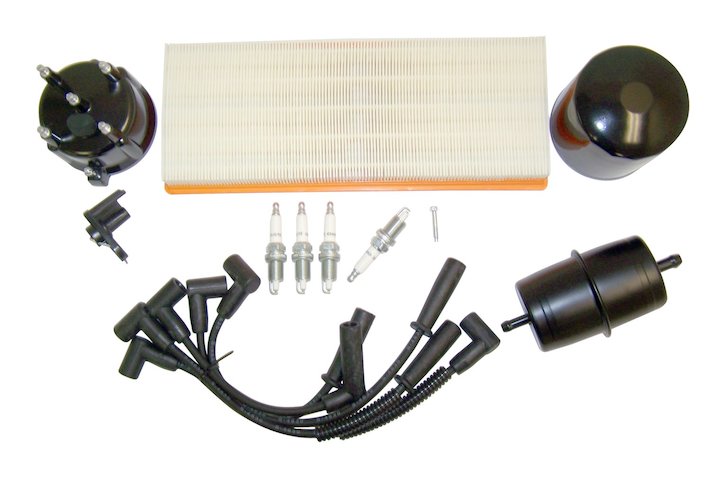
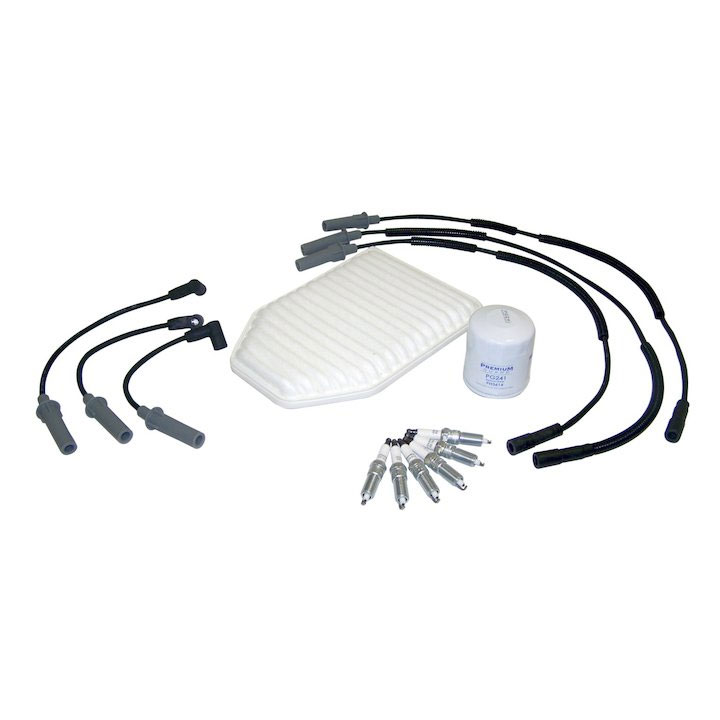
| Spark Plug Set (6 Plugs) | OEM-spec spark plugs for Jeep Grand Cherokee | $40 - $80 | Mopar Parts Online, Amazon, Local Dealership |
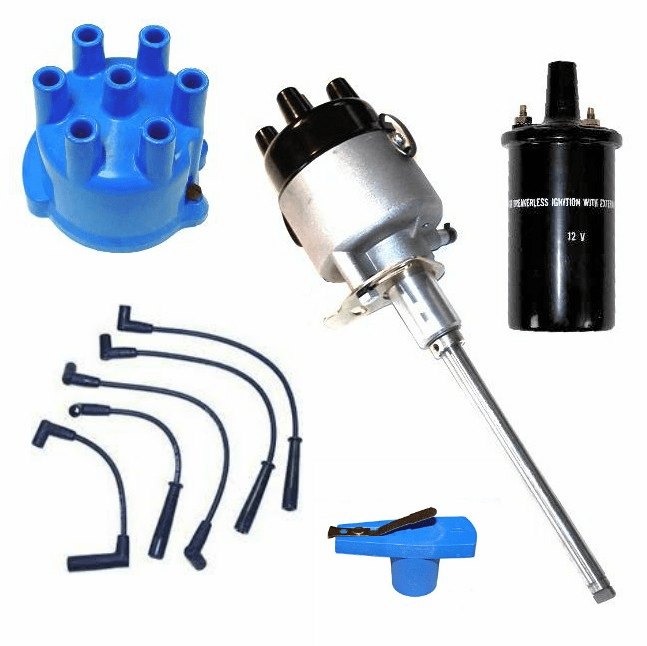
| Ignition Coil Pack | Individual ignition coil for Jeep Liberty | $30 - $60 (each) | RockAuto, Amazon, Local Auto Parts Store |
| Headlight Bulb (LED) | LED headlight bulb upgrade for improved visibility | $50 - $150 (per pair) | Amazon, Extreme Terrain, Headlight Experts |
| Tail Light Assembly | Complete tail light assembly for Jeep Cherokee XJ | $80 - $150 (each) | Amazon, eBay, Quadratec |
| Fuse Set (Assorted) | Assorted fuse set for various Jeep models | $10 - $20 | AutoZone, Advance Auto Parts, Amazon |
| Relay (SPDT) | Standard SPDT relay for auxiliary lighting or accessories | $5 - $15 (each) | Amazon, Local Auto Parts Store |
| Wiring Harness Connector Kit | Assorted connectors for repairing damaged wiring | $20 - $40 | Amazon, Terminal Supply Co. |
| Oxygen Sensor (O2 Sensor) | Replacement oxygen sensor for improved fuel efficiency | $50 - $100 | RockAuto, Amazon, Local Auto Parts Store |
| Crankshaft Position Sensor | Replacement crankshaft position sensor | $30 - $70 | RockAuto, Amazon, Local Auto Parts Store |
Note: Prices are approximate and may vary depending on the brand, model, and retailer. It is always recommended to consult with a qualified mechanic or Jeep specialist for specific part recommendations and installation advice.
Frequently Asked Questions (FAQ)
Q: How often should I replace my Jeep's battery?
A: Typically, a Jeep battery should be replaced every 3-5 years. Factors like climate, driving habits, and the number of electrical accessories used can affect battery life.
Q: What are the signs of a failing alternator?
A: Dimming headlights, a weak battery, a warning light on the dashboard (typically a battery symbol), and unusual noises from the engine compartment are all signs of a failing alternator.
Q: What should I do if my Jeep keeps blowing fuses?
A: If a fuse blows repeatedly, it indicates a short circuit or an overload in the circuit. Do not replace the fuse with a higher amperage rating, as this can damage the wiring. Instead, trace the wiring to find the source of the short.
Q: Can I install aftermarket accessories on my Jeep without upgrading the electrical system?
A: It depends on the accessory. Some accessories, like a simple CB radio, may not require any upgrades. However, power-hungry accessories like winches, auxiliary lighting, and high-powered audio systems may require a high-output alternator, a dual battery system, and/or heavier gauge wiring.
Q: What is a parasitic drain, and how can I find it?
A: A parasitic drain is when an electrical component continues to draw power from the battery even when the engine is off. This can drain the battery overnight. To find a parasitic drain, use a multimeter to measure the current draw on the battery with the engine off and then disconnect circuits one by one until the drain disappears.
Q: Where can I find wiring diagrams for my Jeep?
A: Wiring diagrams can be found in the Jeep's service manual, online forums, and from some aftermarket parts suppliers. Having a wiring diagram is essential for troubleshooting electrical problems.
By understanding these essential aspects of your Jeep's electrical system, you can ensure that your off-road adventures are powered by knowledge and reliability.
0 comments