The Jeep Gladiator, with its rugged truck bed and iconic Jeep styling, is a formidable vehicle straight from the factory. However, for those seeking true off-road dominance, a few well-chosen upgrades are essential. This guide dives deep into the world of Jeep Gladiator off-road parts, equipping you with the knowledge to transform your Gladiator into an unstoppable adventure machine. We'll cover everything from essential upgrades to advanced modifications, ensuring you're prepared to conquer any terrain.
Introduction: Why Upgrade Your Gladiator for Off-Roading?
Unleash Your Gladiator: A Comprehensive Guide to Off-Road Parts
The Jeep Gladiator boasts impressive off-road capabilities right off the showroom floor, especially in Rubicon trim. But even the Rubicon has its limitations. Investing in aftermarket off-road parts allows you to tailor your Gladiator to your specific needs and the types of trails you plan to tackle. Whether you're crawling over rocks, navigating muddy trails, or forging river crossings, the right upgrades can significantly enhance your Gladiator's performance, durability, and overall off-road experience. Furthermore, the right parts will protect your investment from damage and give you added peace of mind.
Section 1: Suspension Upgrades: Lifting Your Game
One of the most impactful modifications you can make to your Gladiator is upgrading the suspension. A lift kit increases ground clearance, allowing you to run larger tires and navigate obstacles that would otherwise scrape or damage your undercarriage.
- Types of Lift Kits:
- Budget Boost/Spacer Lift: The most affordable option, using spacers to lift the body. Good for mild off-roading and aesthetics, but doesn't improve suspension articulation.
- Coil Spring Lift: Replaces the factory coil springs with longer, more robust springs. Offers improved ride quality and articulation compared to spacer lifts.
- Long Arm Lift: The most comprehensive (and expensive) option, replacing the factory control arms with longer arms to optimize suspension geometry for extreme articulation. Ideal for serious rock crawling.

- Benefits:
- Increased ground clearance
- Accommodation for larger tires
- Improved suspension articulation (depending on the type of lift)
- Enhanced off-road performance
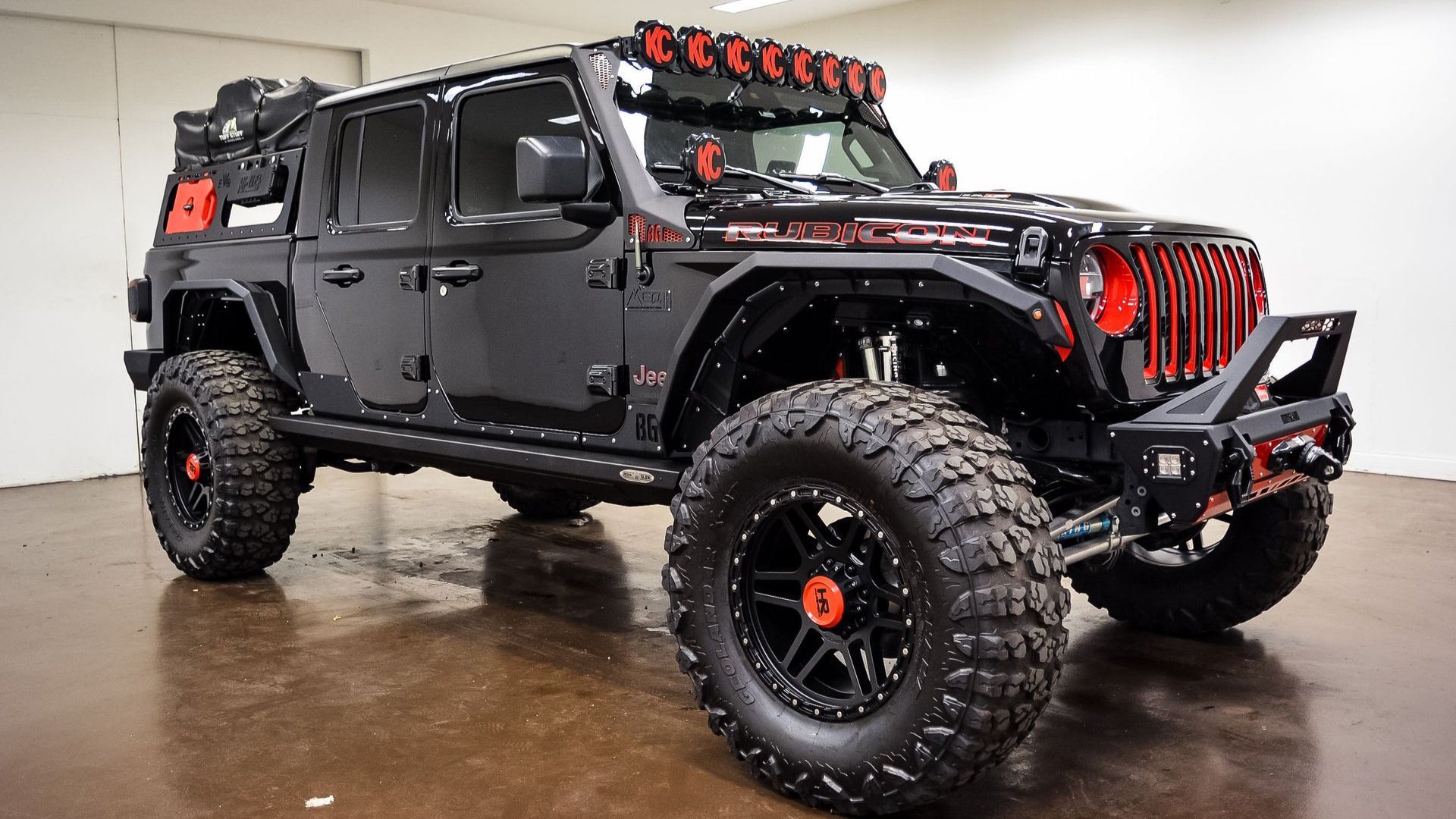
- How-To (Overview): Installing a lift kit is a complex process best left to experienced mechanics. It involves disconnecting various suspension components, removing the factory springs and shocks, installing the new components, and realigning the vehicle.
- Important Considerations:
- Lift Height: Choose a lift height appropriate for your needs and driving style. A 2.5-inch lift is often a good starting point.
- Shock Absorbers: Upgrade to high-performance shock absorbers to improve ride quality and control.
- Driveline Vibrations: Lifting your Gladiator can cause driveline vibrations. You may need to install a transfer case drop kit or replace the driveshaft.
- Steering Geometry: Larger lifts can affect steering geometry, potentially requiring adjustable control arms or track bars.
- Potential Challenges and Solutions:
- Installation Complexity: Seek professional installation if you're not comfortable working on suspension systems.
- Increased Body Roll: Consider adding sway bar disconnects for improved off-road articulation while minimizing body roll on paved roads.

Section 2: Tire and Wheel Upgrades: Traction and Style
Your tires are the primary point of contact with the terrain, making them a crucial factor in off-road performance. Upgrading to larger, more aggressive tires can significantly improve traction and grip.
- Types of Off-Road Tires:
- All-Terrain (AT) Tires: A good balance of on-road comfort and off-road capability. Suitable for moderate off-roading.
- Mud-Terrain (MT) Tires: Designed for maximum traction in mud, rocks, and other challenging terrains. More aggressive than AT tires, but can be noisier on the road.
- Benefits:
- Increased traction in various terrains
- Improved ground clearance (with larger tires)
- Enhanced off-road aesthetics
- How-To (Overview): Tire installation is relatively straightforward, requiring a tire iron, jack, and lug wrench. However, proper balancing is essential to prevent vibrations.
- Important Considerations:
- Tire Size: Choose a tire size that fits your lift kit and doesn't rub against the fenders or suspension components.
- Tire Pressure: Adjust tire pressure based on the terrain. Lower pressure increases the contact patch and improves traction on soft surfaces.
- Wheel Offset: Select wheels with the appropriate offset to ensure proper tire clearance and prevent rubbing.
- Load Rating: Ensure the tires and wheels have a load rating sufficient for the weight of your Gladiator and any additional gear.
- Potential Challenges and Solutions:
- Rubbing: Trim the fenders or install wheel spacers to prevent tire rubbing.
- Reduced Fuel Economy: Larger, heavier tires can reduce fuel economy.
- Increased Road Noise: MT tires can be noisy on paved roads.
Section 3: Armor and Protection: Shielding Your Investment
Off-roading can be tough on your vehicle. Investing in armor and protection can help prevent damage to vulnerable components.
- Types of Armor:
- Rock Sliders: Protect the rocker panels from damage when traversing rocks and obstacles.
- Skid Plates: Shield the engine, transmission, transfer case, and fuel tank from impacts.
- Bumpers: Replace the factory bumpers with stronger, more durable aftermarket bumpers that offer better protection and improved approach and departure angles.
- Benefits:
- Protection from rocks, trees, and other obstacles
- Increased durability
- Improved off-road capability (with better approach and departure angles)
- How-To (Overview): Armor installation typically involves bolting the components to the vehicle's frame. Some modifications may be required.
- Important Considerations:
- Material: Choose armor made from durable materials like steel or aluminum.
- Coverage: Ensure the armor provides adequate coverage for the vulnerable components you want to protect.
- Weight: Consider the weight of the armor, as it can impact fuel economy and performance.
- Potential Challenges and Solutions:
- Installation Complexity: Some armor components can be challenging to install.
- Increased Weight: Minimize weight gain by choosing lightweight materials or only installing the armor you need.
Section 4: Recovery Gear: Getting Unstuck
Even the most capable off-road vehicle can get stuck. Having the right recovery gear is essential for self-rescue.
- Essential Recovery Gear:
- Winch: A powerful tool for pulling your vehicle out of difficult situations.
- Recovery Straps: Used to connect your vehicle to another vehicle or anchor point.
- D-Rings: Used to connect recovery straps to your vehicle's recovery points.
- Shovel: For digging out tires and clearing obstacles.
- Tire Deflator: To quickly lower tire pressure for improved traction.
- Air Compressor: To re-inflate tires after deflation.
- Benefits:
- Self-reliance in off-road situations
- Ability to recover your vehicle from being stuck
- Increased safety
- How-To (Overview): Learning how to properly use recovery gear is crucial. Take a recovery course or practice in a safe environment.
- Important Considerations:
- Winch Capacity: Choose a winch with a capacity at least 1.5 times the weight of your Gladiator.
- Recovery Point Strength: Ensure your vehicle's recovery points are strong enough to withstand the forces involved in recovery.
- Proper Technique: Use proper recovery techniques to avoid damaging your vehicle or injuring yourself.
- Potential Challenges and Solutions:
- Lack of Knowledge: Educate yourself on proper recovery techniques.
- Damaged Equipment: Regularly inspect and maintain your recovery gear.
Section 5: Auxiliary Lighting: Illuminating the Trail
Driving off-road at night requires adequate lighting. Auxiliary lights can significantly improve visibility and safety.
- Types of Auxiliary Lights:
- LED Light Bars: Provide a wide beam of light for illuminating the trail ahead.
- Spotlights: Focus a narrow beam of light for long-distance visibility.
- Fog Lights: Designed to cut through fog and other adverse weather conditions.
- Rock Lights: Illuminate the undercarriage to help navigate obstacles at night.
- Benefits:
- Improved visibility at night
- Increased safety
- Enhanced off-road experience
- How-To (Overview): Installing auxiliary lights involves mounting the lights, wiring them to the vehicle's electrical system, and connecting them to a switch.
- Important Considerations:
- Light Output: Choose lights with adequate light output for your needs.
- Beam Pattern: Select a beam pattern appropriate for the type of driving you'll be doing.
- Wiring: Use proper wiring techniques to avoid electrical problems.
- Legality: Check local laws regarding auxiliary lighting.
- Potential Challenges and Solutions:
- Wiring Complexity: Seek professional installation if you're not comfortable working with electrical systems.
- Overloading the Electrical System: Use a relay to prevent overloading the vehicle's electrical system.
Price Table for Jeep Gladiator Off-Road Parts
| Part Type | Description | Brand Example | Price Range (USD) |
|---|---|---|---|
| Lift Kit | 2.5" Coil Spring Lift | Teraflex | $800 - $2,500 |
| Tires (Set of 4) | 35" All-Terrain Tires | BFGoodrich | $1,200 - $2,000 |
| Wheels (Set of 4) | 17" Off-Road Wheels | Method Race Wheels | $800 - $1,600 |
| Rock Sliders | Steel Rock Sliders | ARB | $600 - $1,200 |
| Skid Plates (Full Set) | Steel Skid Plate Set | Mopar | $500 - $1,000 |
| Front Bumper | Steel Off-Road Bumper with Winch Mount | Warn | $800 - $1,800 |
| Winch | 10,000 lb Capacity Winch | Warn | $600 - $1,500 |
| LED Light Bar | 50" LED Light Bar | Rigid Industries | $300 - $800 |
| Recovery Straps | 30' Recovery Strap | Smittybilt | $50 - $100 |
| D-Rings (Pair) | 3/4" D-Rings | Smittybilt | $30 - $60 |
Conclusion: Building Your Ultimate Off-Road Gladiator
Upgrading your Jeep Gladiator for off-road adventures is a rewarding experience. By carefully selecting the right parts and prioritizing safety, you can transform your Gladiator into a formidable machine capable of tackling any terrain. Remember to research thoroughly, choose reputable brands, and consider seeking professional installation for complex modifications. With the right upgrades, your Gladiator will be ready to conquer the trails and provide you with years of off-road enjoyment.
Frequently Asked Questions (FAQ)
-
Q: What is the best lift kit for a Jeep Gladiator?
- A: The "best" lift kit depends on your budget and intended use. A 2.5-inch coil spring lift is a good all-around option for improved ground clearance and articulation.
-
Q: What size tires can I fit on a stock Jeep Gladiator?
- A: You can typically fit 33-inch tires on a stock Gladiator without any modifications.
-
Q: Do I need to re-gear after installing larger tires?
- A: Re-gearing is recommended if you install significantly larger tires (35 inches or larger) to maintain optimal performance and fuel economy.
-
Q: Is it better to buy individual off-road parts or a complete package?
- A: Buying individual parts allows you to customize your Gladiator to your specific needs. Complete packages can be more convenient but may not include everything you want.
-
Q: How important is it to have recovery gear?
- A: Recovery gear is essential for safe and self-reliant off-roading. Always carry basic recovery gear and know how to use it.
-
Q: Can I install off-road parts myself?
- A: Some off-road parts, such as tires and wheels, are relatively easy to install. However, more complex modifications like lift kits and armor should be installed by a professional.
By answering these questions, this comprehensive guide aims to equip you with the knowledge needed to make informed decisions and build the ultimate off-road Jeep Gladiator. Happy trails!
0 comments